How are we going to prepare
our children for tomorrow?
The world is evolving at a speed that can feel hard to keep up with. Technologies like Artificial Intelligence (AI), Robotics, Biotechnology, and Renewable energy are no longer futuristic concepts — they are already shaping how we live, work, and learn. For today’s children, these changes are not distant possibilities but realities they will navigate as adults. The question we face is clear: how do we prepare them for a future defined by such rapid transformation?


Technologies Already Reshaping Our World
AI is at the forefront of this change. Generative AI tools are being used in education, healthcare, business, and the arts, changing the way we approach research, problem-solving, and creativity. DeepMind’s CEO Demis Hassabis has highlighted that the most important skill in this era will be the ability to “learn how to learn,” as tools and platforms will constantly evolve.

1. Kerala is rolling out advanced robotics kits with IoT sensors and programmable boards so students can work on projects like air quality monitoring or smart irrigation.
2. Tamil Nadu’s TN SPARK initiative is training government school students in robotics and AI, supported by bilingual textbooks and teacher workshops.
Globally, Estonia is making AI education accessible to every student. In the UK, AI tools are being tested to help children with dyslexia.
These stories show that technology is not just for the privileged few — it can be a great equalizer when made accessible.
What’s Coming Next
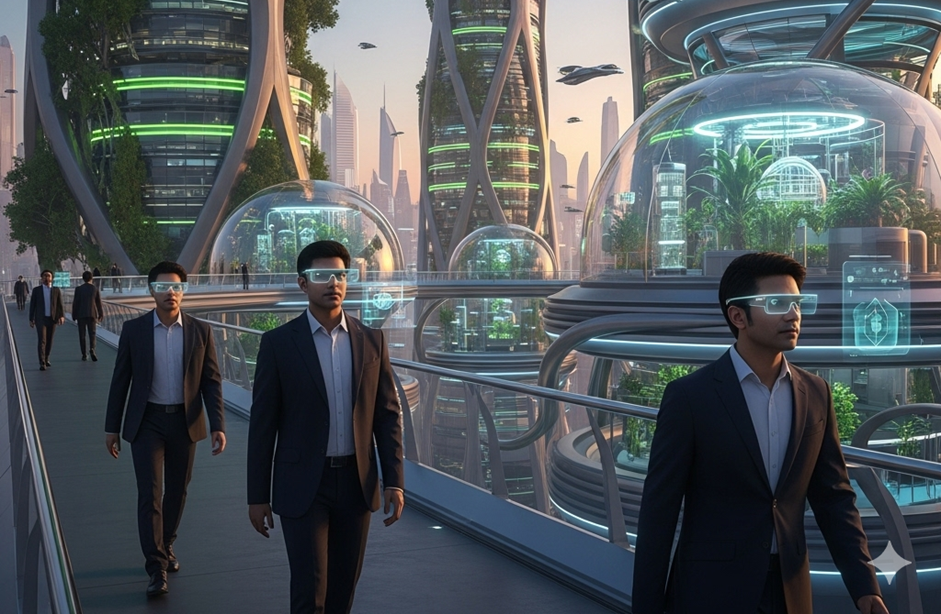
The horizon holds even more transformative fields:
- Edge AI (AI on small devices)
- Quantum computing
- Augmented & Virtual Reality
- Synthetic biology
- Green technologies
These innovations will fuel industries and solutions that don’t even exist mostly. Preparing children early gives them the confidence to lead in solving global challenges.
Skills Our Children Will Need
Tomorrow’s world will require more than just technical knowledge:
- Adaptability & Critical Thinking – to solve problems in uncertain conditions.
- Creativity & Innovation – to design new solutions.
- Ethics & Empathy – to balance technology with humanity.
- Digital Literacy – to understand algorithms, biases, and limitations.
How We Can Prepare Them
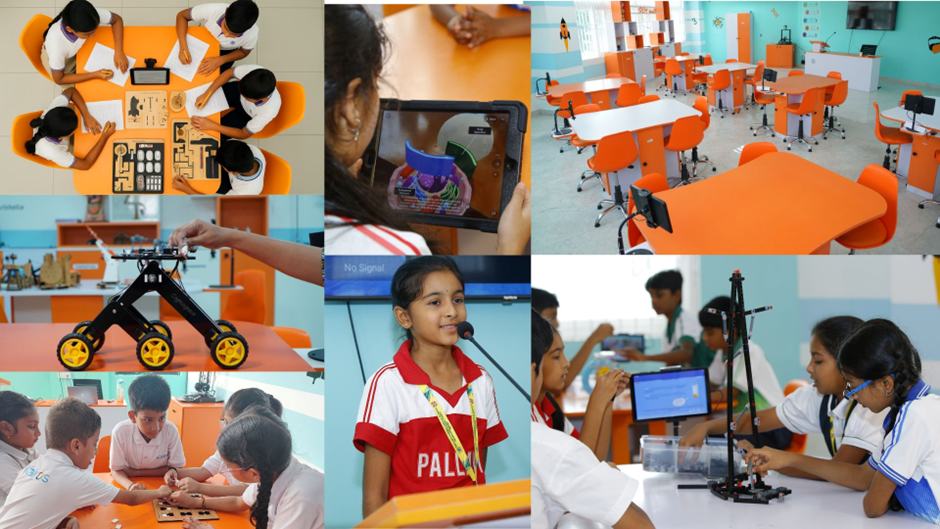
Education must move beyond rote memorization. Hands-on, project-based learning is essential to help children experience technology directly and build problem-solving skills. Early exposure to coding, robotics, and digital tools makes technology less intimidating and more empowering.
Encouraging curiosity, teaching ethics, and fostering collaboration across disciplines are equally important. Governments and schools also play a role by ensuring equitable access to tools, training, and teacher support.
Conclusion
The pace of change will only accelerate. By teaching children how to learn, adapt, and think critically, we can give them the confidence not just to survive the future — but to shape it.
With the right mindset and opportunities, today’s learners can become tomorrow’s innovators, problem solvers, and global citizens.