Why Understanding Learning Paradigms
Matters for Every Educator?
In education today, adopting new technologies or pedagogical tools is not enough. What truly transforms learning is understanding how learners think, grow, and evolve. From a psychocognitive perspective, this means recognizing that the way we teach must follow the way the mind learns — progressively, reflectively, and autonomously.


The Three Paradigms of Learning
The three paradigms of learning — pedagogy, andragogy, and heutagogy — describe an evolution in how humans learn as they grow. These are not competing models but stages of cognitive and emotional maturity.
1. Pedagogy
Pedagogy represents the early phase of learning: structured, teacher-centered, and guided by external motivation. The learner is dependent, and learning relies heavily on imitation, direction, and repetition.
2. Andragogy
As introduced by Malcolm Knowles, andragogy shifts the focus to the adult learner. Here, the learner becomes an active, independent, and purposeful participant. Learning connects to lived experience and engages higher cognitive processes such as reasoning, reflection, and problem-solving.

3. Heutagogy
Heutagogy takes the final step: the learner becomes self-determined. They no longer wait for knowledge — they construct, question, and extend it. This stage activates metacognition: the ability to learn how to learn, a crucial capacity for lifelong adaptability.
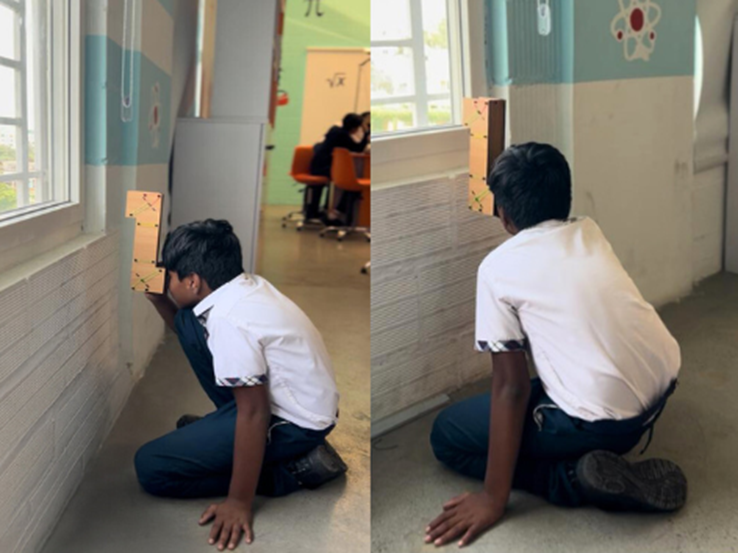
When educators consciously integrate these paradigms, they do more than teach; they activate the learner’s internal architecture of growth — the interplay of motivation, reflection, and self-regulation. This is what transforms education into true development.